
The African Women Peace and Security Institute (AWPSI) enters the 2025/26 year with a consolidated, programmatic, and impact-driven plan that builds on the foundation established in 2024/25. Last year’s plan focused on laying the groundwork through activities in capacity building, advocacy, research, and institutional strengthening, supported mainly by a few donors such as the Ireland and UKFCDO project. While this created visibility and momentum, with monitoring and evaluation carried out through regular reviews and the new plan will build on these efforts with stronger focus and follow up.
The 2025/26 plan represents a significant step forward in maturity and alignment with Ethiopia’s National Action Plan (NAP) on Women, Peace and Security (WPS) as well as donor priorities. It is structured around five clearly defined core programmes: Research and Publication, Capacity Building, Advocacy, Monitoring and Evaluation, and Institutional Strengthening. Research activities are focusing on workshops to identify gaps, publishing proceedings, and developing briefs for advocacy. Capacity building expands beyond grassroots and mid-level trainings to include mentorship, coaching, interregional networking, and maintaining a roster of trainers for sustainability. Advocacy is sharpened to directly promote NAP implementation, peace education, women’s leadership, and policy engagement through media and communication strategies. A new dedicated Monitoring and Evaluation programme institutionalizes accountability by tracking NAP implementation, monitoring conflicts, and evaluating AWPSI’s programmes. Institutional strengthening is reinforced through staff development, fundraising strategies, organizational self-assessment, and conflict-sensitive approaches.
The financial framework also reflects a shift toward sustainability. The 2025/26 budget of USD 436,495 is a bit smaller than the previous year’s USD 495,663, but better diversified across Ireland, UKFCDO, UN Women, AU, IP, ACCORD, UN Agencies and NED. This demonstrates AWPSI’s improved donor mapping and strategic positioning.
In essence, while the 2024/25 plan set the stage for visibility and organizational growth, the 2025/26 plan emphasizes consolidation, accountability, and impact. It strengthens AWPSI’s capacity to produce and share knowledge, build women’s leadership, advocate for inclusive peace, monitor and evaluate policies, and sustain institutional growth. This positions AWPSI not only as a key actor in Ethiopia’s WPS landscape but also as a credible and strategic partner for regional and international stakeholders committed to advancing women’s leadership in peace and security.
AWPSI’s 2025/26 plan is structured around five interrelated Core Programmes:
These programmes are mutually reinforcing: research informs advocacy and training; capacity building strengthens women’s engagement; monitoring and evaluation ensure accountability and impact; and institutional strengthening provides the foundation for sustainability.
The 2025/26 budget of USD 436,495 is leaner than the previous year’s USD 495,663, but more diversified to be mobilized across multiple partners, including Ireland, UKFCDO, UN Women, AU, IP, ACCORD, UN agencies and NED. This signals AWPSI’s increasing ability to mobilize resources for long-term impact.
In sum, the 2025/26 Annual Plan reflects AWPSI’s evolution from a growing institution to a strategically positioned actor in the women, peace, and security landscape. It emphasizes consolidation, accountability, and sustainability, ensuring that AWPSI continues to contribute effectively to Ethiopia’s peace processes while amplifying the role of women as leaders and mediators.
African women peace and security institute
To achieve its mission and implement its core programmes effectively, the African Women for Peace and Security Initiative (AWPSI) will adopt a strategic and focused approach in 2025/26. This approach will be guided by a commitment to advancing gender equality in peace and security processes across the continent. Recognizing the complex and evolving nature of conflicts and the critical role women play in building sustainable peace, AWPSI will work to create enabling environments for women’s active participation at all levels.
The organization will prioritize strategic partnerships, evidence-based planning, and inclusive engagement to ensure that its initiatives are responsive to both local realities and broader policy frameworks. By aligning its work with regional, national, and global peace and security agendas, AWPSI aims to drive systemic change and contribute to lasting peace.
Generate evidence-based knowledge on women, peace, and security, and disseminate findings through publications and policy briefs to support advocacy and informed decision-making.
Strengthen women’s leadership and mediation skills at grassroots, regional, and national levels through training, mentorship, and networking initiatives.
Promote peace education, amplify women’s participation in peacebuilding, engage stakeholders, and advocate for the implementation of WPS policies, including UNSCR 1325.
Monitor conflicts, assess the implementation of WPS policies, and evaluate AWPSI programmes to ensure accountability, impact, and continuous improvement.
Enhance AWPSI’s organizational capacity, staff competencies, strategic partnerships, and resource mobilization to support sustainable growth and effective program delivery.
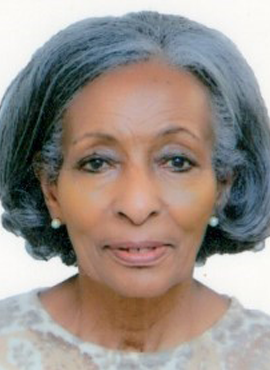
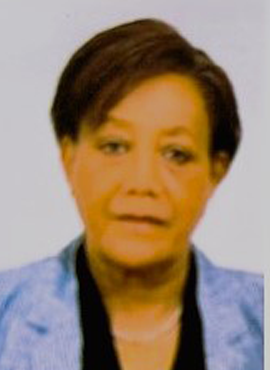
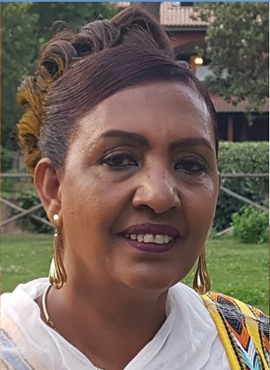
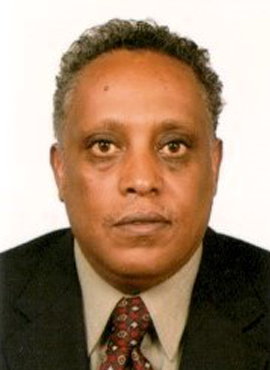
Executive Director
Deputy Director
Chair Person of the Board of Directors
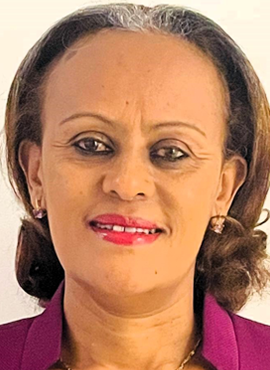
Member of the Board of Directors
The African Women Peace and Security Institute (AWPSI) was established to advance women’s leadership and participation in peacebuilding, conflict prevention, and post-conflict reconstruction across Ethiopia and beyond.
Views Today : 1
Views Yesterday : 2
Views This Month : 93
Views This Year : 1509
Total views : 1754© All Copyright 2025 by Develop by Ethio Technology